-
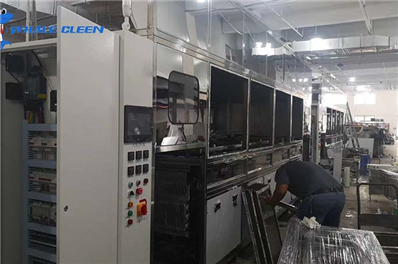 Ultrasonic Cleaning Machine: How to Remove Thick Oxide Scale Without Acid Pickling
Thick oxide scale is one of the most stubborn contaminants in industrial parts cleaning. It forms on steel, castings, forgings, and welded components after heat treatment, hot rolling, or high-temperature processing. In many plants, the default solution i
-
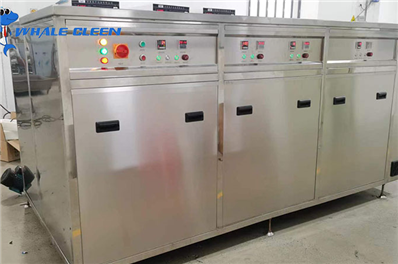 Understanding the Materials Used in Ultrasonic Cleaning Machines
Ultrasonic cleaning machines have become an essential tool in various industries, from medical equipment sterilization to precision engineering, thanks to their ability to clean delicate or intricate objects effectively. A critical aspect of their efficie
-
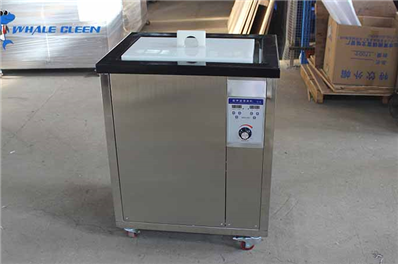 How to clean PCB board faster and more efficiently?
PCB is widely used in China. There are some contaminants including flux and adhesive in PCB manufacture. There are other pollutants produced in the manufacturing process, such as dust and debris. If the surface of PCB is not clean, resistance and leakage
-
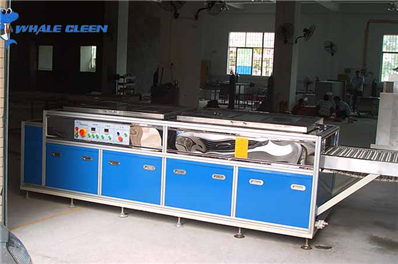 How to purchase an ultrasonic cleaning machine?
You need to know which way is suitable to clean your parts when you purchase an ultrasonic cleaning machine. Second, what cleaning result do you want to reach. Third, evaluate the production capacity of your company and the max capacity of the machine. Fo
-
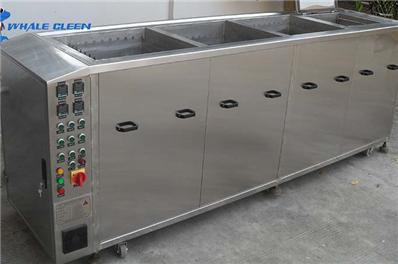 Reject “Assembly-Line” Cleaning: How We Make Cylinder Blocks and Microelectronic Components Equally Clean in the Same Workshop
The Myth of Universal CleaningIn traditional manufacturing, cleaning lines are often designed for a single type of component. Heavy parts like engine cylinder blocks rattle through aggressive spray washers, while delicate microelectronic components are ha
-
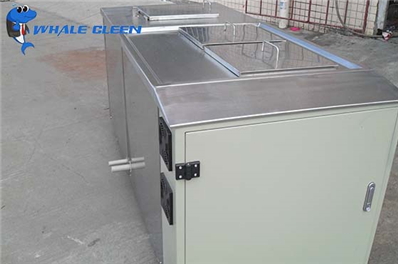 Why Do Ultrasonic Cleaners Use 28kHz Frequency? The Science Behind the Power Setting
When shopping for an ultrasonic cleaner, you'll quickly encounter a key specification: frequency. Among the most common options is28kHz. This number isn't arbitrary; it represents a deliberate engineering choice that makes this frequency a powerho
-
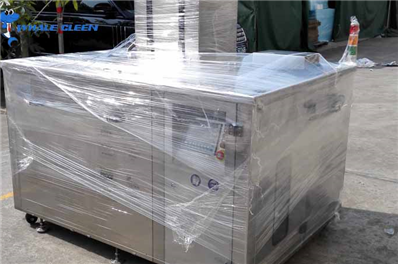 The Complete Guide to Cleaning PCBs with Ultrasonic Cleaners: 5-Step Process for Optimal Results
1. The Importance of Proper PCB Cleaning: Industry Insights According to the 2024 Global Electronics Manufacturing Report: Improper cleaning causes 35% of PCB failures Ultrasonic cleaning improves solder joint reliability
-
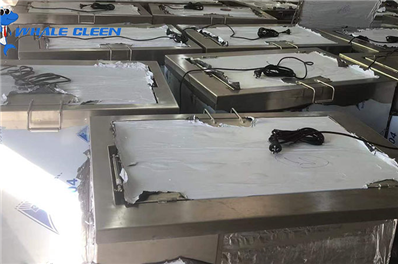 The Best Cleaning Fluids for Ultrasonic Cleaning of Cast Iron
When it comes to ultrasonic cleaning of cast iron, selecting the right cleaning fluid is crucial. Cast iron is a material prone to rust and oxidation, especially when exposed to moisture and certain cleaning agents . Therefore, choosing a clean
-
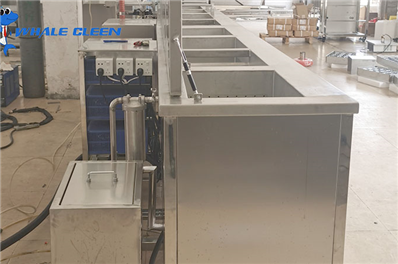 What Determines the Effectiveness of an Ultrasonic Cleaning Machine?
The effectiveness of an ultrasonic cleaning machine is determined by a combination of factors that work together to ensure thorough and efficient cleaning. These factors include the frequency and power of the ultrasonic waves, the choice of cleaning solut
-
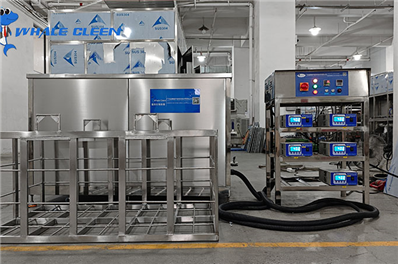 Ultrasonic Cleaners: The Cleaner Choice in Electronics Manufacturing
The electronics manufacturing industry is an intricate, highly regulated sector that requires precision at every step of the production process. One critical aspect is cleanliness—especially for sensitive components like printed circuit boards (PCBs), sem
-
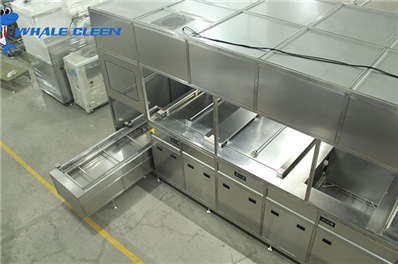 Enhancing Efficacy: Factors Influencing Ultrasonic Cleaning Machine Performance
Ultrasonic cleaning machines are widely utilized in industrial and laboratory settings for their effectiveness in removing contaminants from surfaces and intricate structures. These machines operate by generating high-frequency sound waves, which create m
-
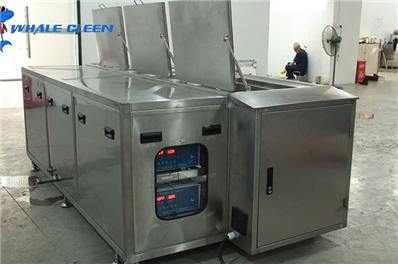 The working mode of the Electrolytic ultrasonic cleaning machine!
The electrolytic ultrasonic cleaning machine is composed of a 316L stainless steel tank, ultrasonic system, electrolytic circuit system, electrode, tray, filter cycle system, timing device, panel electrical switch device; Product application: mold type: i